
Starting a business often means riding a financial roller coaster. One month is great, the next is uncertain. For many small businesses and service providers, this unpredictability makes it hard to plan, hire, or even sleep well at night.
That’s why more businesses—especially those just starting out—are turning to subscriptions as a way to create recurring revenue.
Subscriptions aren’t just for software companies. Designers, consultants, agencies, coaches, accountants, and many other service-based businesses can use subscriptions to stabilize cash flow and grow more sustainably.
In this guide, we’ll walk through how to use subscriptions to create recurring revenue for your business, even if you’ve never done it before.
What Is Recurring Revenue?
Recurring revenue is income that you can reasonably expect to receive on a regular basis—monthly, quarterly, or annually—without needing to resell your services each time.
Instead of starting from zero every month, recurring revenue allows your income to stack and compound over time.
Examples include:
- Monthly service plans
- Ongoing retainers
- Maintenance or support packages
- Memberships or advisory subscriptions
For small businesses, recurring revenue often means less stress and more control.
Why Subscriptions Are So Powerful for Small Businesses
Subscriptions change how your business operates in several important ways.
1. Predictable Cash Flow
Knowing how much money is coming in each month makes it easier to:
- Budget expenses
- Plan marketing
- Invest in growth
- Handle slow seasons
2. Less Time Selling, More Time Delivering
When clients stay subscribed, you’re not constantly chasing new projects just to keep revenue steady.
3. Stronger Client Relationships
Subscriptions encourage long-term partnerships rather than transactional, one-off work.
4. Higher Lifetime Value per Client
A client paying $500 per month for a year is worth far more than a single $2,000 project—and often requires less effort to manage.
Subscriptions Aren’t Just for SaaS
One of the biggest misconceptions is that subscriptions only work for software companies. In reality, many service businesses are ideal candidates for subscription models.
Here are a few examples:
- Designers: Ongoing design support, monthly asset updates, brand maintenance
- Marketing agencies: Monthly campaigns, reporting, optimization
- Consultants: Advisory hours, strategy check-ins, priority access
- Accountants & bookkeepers: Monthly bookkeeping, reporting, tax prep support
- IT & tech services: Monitoring, maintenance, help desk support
- Coaches: Monthly sessions, accountability, resources
If clients come back to you repeatedly, a subscription likely makes sense.
Subscriptions vs One-Off Projects
Understanding the difference helps clarify why subscriptions are so effective.
One-off projects:
- Revenue resets to zero after delivery
- Require frequent selling
- Hard to predict income
- Create feast-or-famine cycles
Subscriptions:
- Revenue carries forward month to month
- Reduce sales pressure
- Improve planning and stability
- Allow revenue to compound
Many businesses start with one-off projects, then gradually layer in subscriptions to stabilize their income.
Common Subscription Models for Beginners
You don’t need to overcomplicate your first subscription offering. Start simple.
1. Flat Monthly Subscription
One price, one defined scope.
Example:
“$750/month for up to 10 design requests.”
This is the easiest model to launch and explain.
2. Tiered Plans
Offer multiple levels based on scope or service depth.
Example:
- Basic: $300/month
- Standard: $600/month
- Premium: $1,200/month
Tiered pricing lets clients self-select based on their needs and budget.
3. Retainer-Style Subscription
Clients pay monthly for ongoing access or availability.
Example:
“$1,000/month for ongoing consulting support.”
This works well when demand fluctuates but access has value.
4. Hybrid Models
Combine a base subscription with add-ons.
Example:
- Base plan: $500/month
- Additional work billed separately or as add-ons
This keeps your core revenue predictable while allowing flexibility.
How to Turn Your Existing Services Into a Subscription
You don’t need to invent something new. Most subscription models come from repackaging what you already do.
Step 1: Identify Repeatable Work
Ask yourself:
- What do clients ask for every month?
- What tasks repeat across projects?
- What ongoing value do I provide?
These are your subscription candidates.
Step 2: Standardize the Offering
Define:
- What’s included
- What’s not included
- Response times
- Deliverables
Clear scope prevents confusion and burnout.
Step 3: Choose a Billing Cadence
Monthly is the most common, but quarterly or annual plans can also work.
Monthly billing lowers commitment friction for new clients and is ideal for beginners.
Step 4: Set Clear Expectations
Subscriptions work best when clients know exactly what they’re paying for.
Avoid vague promises like “unlimited everything.” Instead, define boundaries that protect both sides.
How to Price Your First Subscription
Pricing is often the hardest part—but it doesn’t have to be perfect.
Start With Value, Not Hours
Clients care about outcomes, not how long tasks take you.
Instead of selling “10 hours,” sell:
- Peace of mind
- Faster turnaround
- Ongoing support
- Consistent results
Don’t Underprice for Stability
Subscriptions provide predictability for you, so pricing should reflect that value.
A good rule of thumb:
- Price subscriptions slightly lower than equivalent one-off work
- But high enough to be sustainable long-term
Raise Prices for New Clients First
When you improve your offering, increase prices for new subscribers while grandfathering existing ones when appropriate.
Tools You Need to Run Subscriptions Smoothly
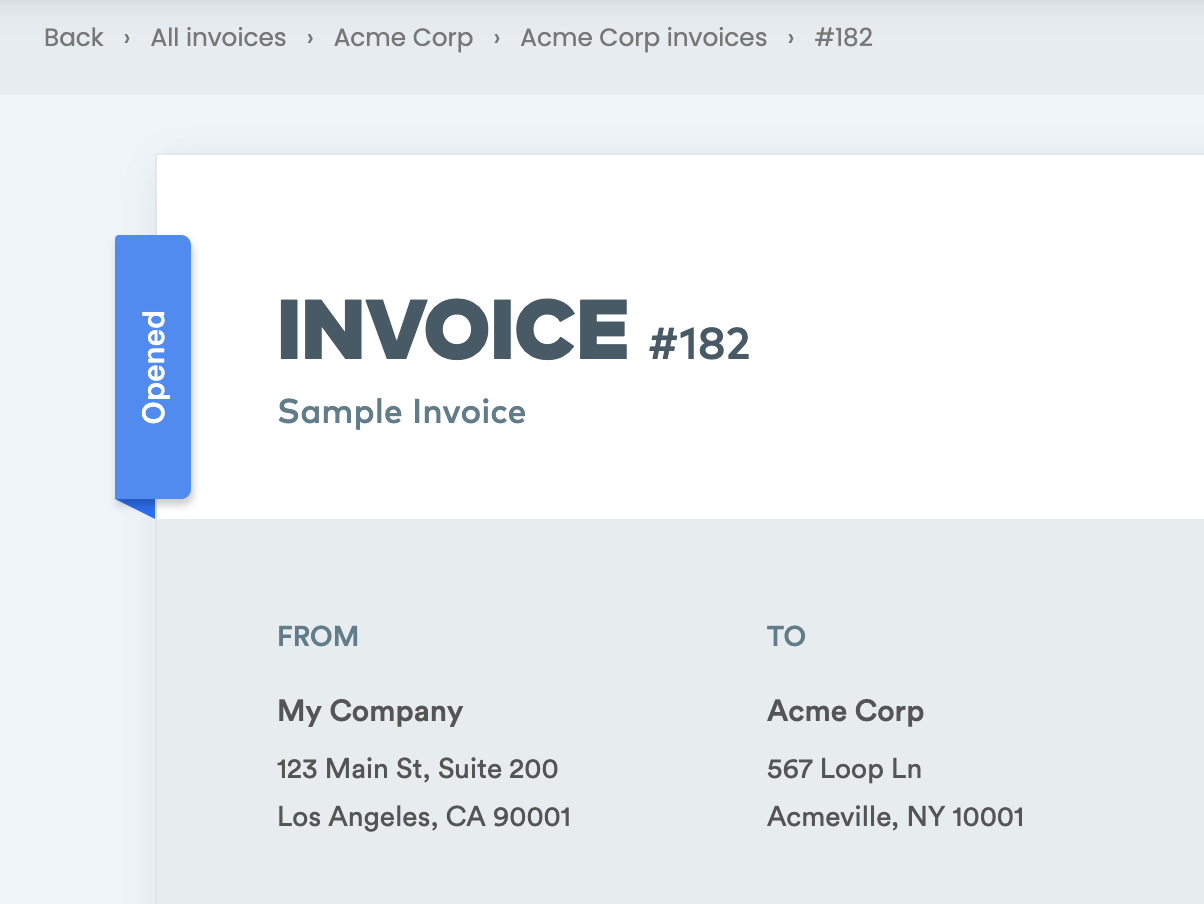
Subscriptions fail when billing becomes messy.
At minimum, you’ll need:
- Automated recurring invoices
- Automatic payments
- Clear billing history
- Easy plan management for clients
Manually sending invoices every month or tracking payments in spreadsheets quickly becomes a bottleneck as you grow.
Tools like Clientary are designed to help service businesses manage subscriptions, invoices, and recurring payments without adding complexity.
Common Mistakes to Avoid
Making Subscriptions Too Complicated
Start simple. You can always add tiers or features later.
Not Defining Scope Clearly
Unclear boundaries lead to burnout and unhappy clients.
Forgetting to Automate Billing
Recurring revenue only works if billing is reliable and consistent.
Expecting Instant Success
Subscriptions compound over time. Even a few clients can make a big difference within months.
Final Thoughts: Start Small and Build Momentum
You don’t need to overhaul your entire business to benefit from subscriptions.
Start with:
- One simple subscription
- One or two existing clients
- A clear scope and price
As your confidence grows, you can refine your offerings, pricing, and processes.
Recurring revenue isn’t about locking clients in—it’s about creating stability, clarity, and long-term value for both sides.
Ready to Get Started?
Clientary helps service businesses create and manage subscriptions with automated invoicing, recurring payments, and client-friendly billing—all in one place.
If you’re ready to move beyond one-off invoices and build predictable revenue, subscriptions are a great place to start.